As more individuals seek natural solutions for sleep disturbances, melatonin supplements have gained significant popularity. Marketed as a safe, effective remedy for insomnia and circadian rhythm disorders, many people assume that the supplement is entirely harmless. However, recent studies have raised concerns about potential risks, particularly heart failure risk. In this blog post, we’ll explore the relationship between melatonin supplementation and heart failure, along with important considerations for those contemplating its use.
Table of Contents
Understanding Melatonin
Melatonin is a hormone produced by the pineal gland in the brain, primarily during the night. It helps regulate sleep-wake cycles and signals the body when it’s time to rest. As a supplement, it has been used to address various sleep problems, including jet lag, shift work sleep disorder, and insomnia. However, despite its natural origins, the use of melatonin supplements is not without potential risks.
The Link Between Melatonin and Heart Health
Recent research suggests that melatonin might influence cardiovascular health in more ways than previously understood. While some studies indicate that the supplement has antioxidant properties and may even offer protective benefits to the heart, there is also emerging evidence indicating potential risks, especially in individuals with existing heart conditions.
A review of five years of health records for more than 130,000 adults with insomnia who had used melatonin for at least a year found they were more likely to be diagnosed with heart failure, require hospitalization for the condition, or die from any cause. The association between melatonin and increased risk of heart failure or death found in this study, while not confirming a cause-and-effect relationship, raises safety concerns about the widespread use of melatonin. Researchers have indicated that this warrants more investigation into its cardiovascular safety.
1. Blood Pressure Fluctuations: Some studies have reported that melatonin can alter blood pressure levels, which could be particularly concerning for those with heart conditions. For example, it may lower blood pressure at night, but it can also cause a rebound increase in blood pressure upon waking. These fluctuations may be potentially dangerous for individuals who already have compromised cardiac function.
2. Interaction with Heart Medications: Melatonin can interact with various medications, especially those prescribed for heart conditions. For instance, it may enhance the effects of anticoagulants or other blood pressure medications, increasing the risk of complications. It’s crucial for individuals on these medications to consult their healthcare provider before starting melatonin.
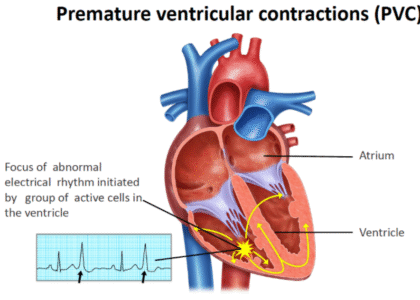
3. Effects on Heart Rhythm: There is some evidence to suggest that it could influence heart rhythm. For individuals with pre-existing arrhythmias or heart rhythm disorders, the introduction of melatonin could exacerbate their condition, potentially leading to severe complications.
4. Underlying Health Conditions: People who suffer from chronic illnesses, including diabetes or hypertension, may already be at risk for heart failure. The additional use of the supplement without medical guidance can complicate management strategies for these conditions and heighten the risk for adverse cardiovascular events.
Recommendations for Safe Use
If you’re considering melatonin for sleep issues, particularly if you have a history of heart disease or other cardiovascular risks, here are some key recommendations:
– Consult with a Healthcare Provider: Before starting the supplement, consult with a healthcare professional, especially a cardiologist if you have heart conditions. They can provide tailored advice based on your medical history and current medications.
– Monitor Your Health: If you decide to use it, keep a close eye on how your body responds. Note any changes in sleep patterns, blood pressure, or heart rhythm and report these to your doctor.
– Start with Low Dosages: If cleared by your healthcare provider, consider starting with a lower dosage. More is not always better, and finding the right amount for your needs can effectively minimize potential risks.
– Explore Other Options: Don’t forget that there are various other approaches to improve sleep, such as cognitive-behavioral therapy for insomnia (CBT-I), lifestyle changes like improved sleep hygiene, and relaxation techniques, which might offer safer alternatives.
Conclusion
Melatonin can be a beneficial tool for those struggling with sleep issues, but it is not devoid of risks, particularly for individuals with heart failure or cardiovascular concerns. Being informed and proactive about these risks is essential. Always prioritize communication with your healthcare provider to ensure that any supplement you choose to take is appropriate for your specific health needs. Remember, safeguarding your heart health should always come first.
Contact us at 406-272-2376 or schedule online to schedule a consultation.