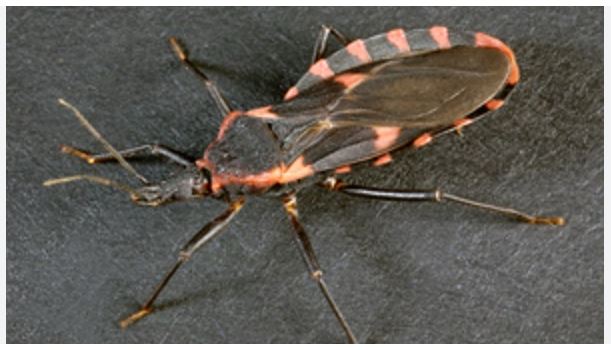
Chagas disease, caused by the parasite Trypanosoma cruzi, is a vector-borne disease primarily transmitted by the bite of infected triatomine bugs, commonly known as kissing bugs. While it has long been endemic in Latin America, its prevalence is increasingly recognized in the United States, raising public health concerns.
Table of Contents
What is Chagas Disease?
Chagas disease typically progresses through two phases: the acute phase, which occurs shortly after infection, and the chronic phase, which can last for years or even decades. Many individuals experience no symptoms during the acute phase, making it difficult to identify. The chronic phase can lead to serious health complications, particularly affecting the heart and gastrointestinal system.
Symptoms of Chagas Disease
In the acute phase, symptoms may include:
– Fever
– Fatigue
– Body aches
– Rash
– Swollen lymph nodes
– Swelling at the site of the bug bite (known as a chagoma)
– Conjunctivitis (swelling of the eye)
These symptoms often resolve without treatment. However, the chronic phase can manifest years later, with potential symptoms including:
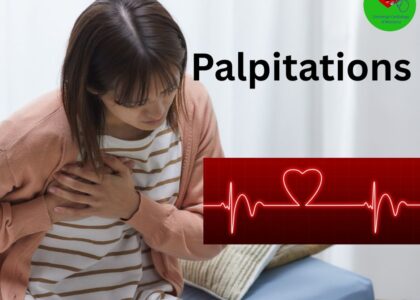
– Irregular heartbeats
– Chest pain
– Shortness of breath
– Swelling in the legs or abdomen
– Digestive issues like difficulty swallowing or constipation
How Chagas Disease Affects the Heart
The heart is one of the organs most affected by chronic Chagas infection. The parasitic invasion leads to inflammation and damage, which can result in:
– Cardiomyopathy: A condition where the heart muscle weakens, making it difficult for the heart to pump blood effectively.
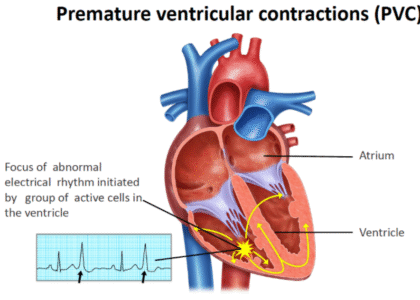
– Arrhythmias: Irregular heart rhythms that can lead to sudden cardiac death.
– Heart failure: As the disease progresses, the heart may be unable to meet the body’s demands, leading to stages of heart failure.
Patients with cardiac complications related to Chagas infection often require ongoing heart monitoring and management.
Increasing Incidence in the U.S.
Historically, Chagas disease has been viewed as a public health issue in Latin America. However, changes in immigration patterns and the presence of triatomine bugs in the southern U.S. have contributed to a rise in cases. It is estimated that around 300,000 people in the U.S. are currently infected with T. cruzi, many of whom may be unaware of their infection due to the lack of symptoms during the acute phase. Increased awareness, screening, and education are vital in combating the spread of the disease.
Diagnosis of Chagas Disease
Diagnosing Chagas typically begins with a patient’s medical history and physical examination. Blood tests are used to detect the presence of the parasite or antibodies produced in response to the infection.
In cases where Chagas disease is suspected to have progressed, additional testing may be needed to assess heart function and detect any complications.
When is an Echocardiogram Necessary?
An echocardiogram, an ultrasound of the heart, is a crucial tool for assessing heart health in individuals diagnosed with Chagas disease—especially those who present symptoms of heart conditions. This imaging method can help healthcare providers identify:
– Structural abnormalities in the heart
– Signs of cardiomyopathy
– The presence of arrhythmias
– Overall heart function
Patients with Chagas disease, particularly those with risk factors or symptoms of cardiac involvement, should undergo regular echocardiograms to monitor their heart health.
Treatment Options
Currently, there are two FDA-approved medications used to treat Chagas disease: benznidazole and nifurtimox. These medications are most effective when administered during the acute phase. For chronic Chagas disease, especially when cardiac involvement is significant, treatment focuses on managing symptoms and complications:
– Heart failure management: This may include diuretics, beta-blockers, or other medications.
– Arrhythmia treatment: Patients may require antiarrhythmic drugs or interventions like pacemakers.
– Regular follow-up care: Ongoing monitoring and adjustments to treatment plans based on the individual’s response are crucial.
Conclusion
Chagas disease presents a growing public health challenge in the U.S., and understanding its symptoms, potential heart complications, and treatment options is essential for effective management. Increased awareness and proactive measures can help mitigate the impacts of this disease and improve outcomes for those affected. If you suspect you may be at risk, consult a healthcare provider for screening and further information.
Contact us at 406-272-2376 or schedule online.