Table of Contents
What Are Palpitations?
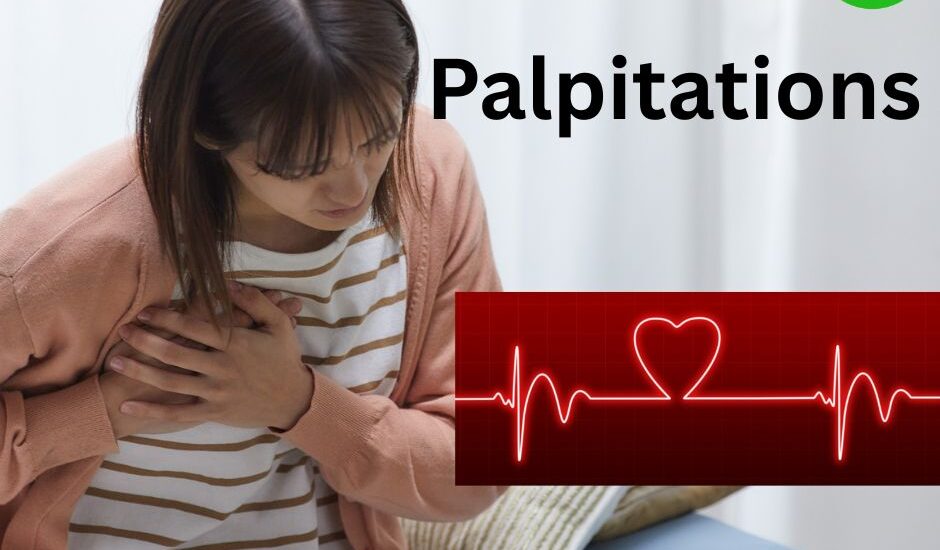
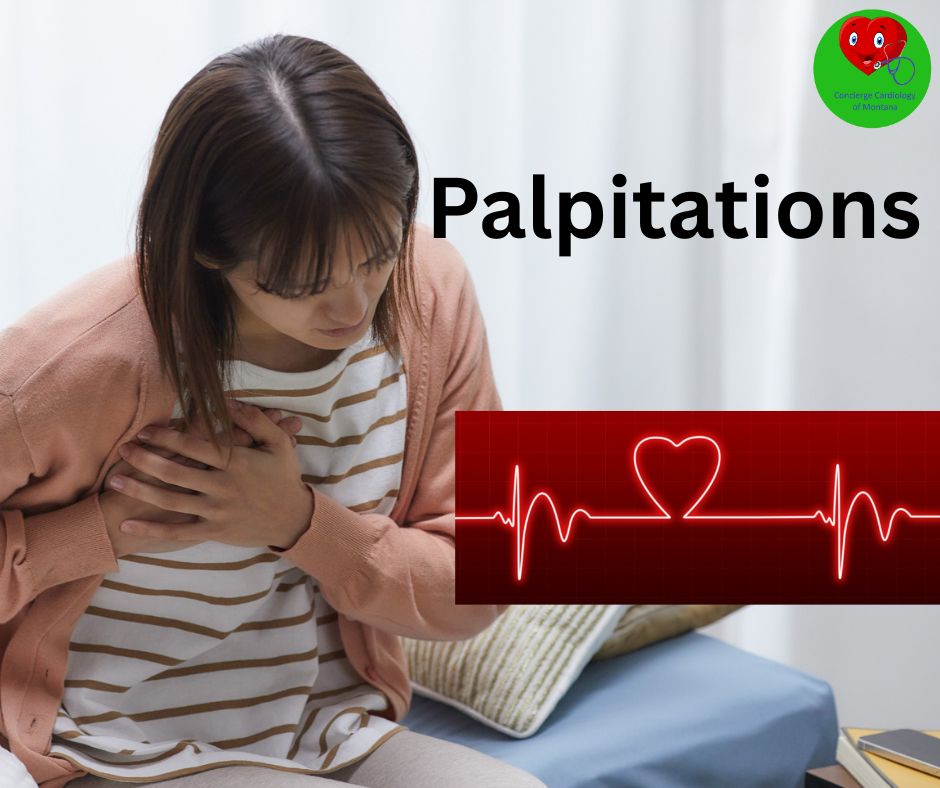
Palpitations are the sensation of being aware of your heartbeat when you normally would not notice it. People often describe palpitations as a racing, pounding, fluttering, skipping, or slow heartbeat. They may occur suddenly, come and go, or persist for longer periods.
Palpitations themselves are a symptom, not a diagnosis. Many are harmless, but some reflect an underlying heart rhythm disorder (arrhythmia) or medical condition that requires evaluation.
Normal Heart Rhythm: A Brief Overview
The heart beats due to an organized electrical system.
- The sinoatrial (SA) node, the heart’s natural pacemaker, initiates each heartbeat
- Electrical signals travel through the atria, causing them to contract
- Signals pass through the atrioventricular (AV) node to the ventricles
- The ventricles then contract to pump blood to the lungs and body
When this system functions normally, the heartbeat is regular, coordinated, and efficient.
Pathophysiology of Palpitations
Palpitations occur when there is a change in heart rate, rhythm, force of contraction, or a person’s sensitivity to their heartbeat.
Abnormal Electrical Activity
- Increased automaticity: Heart cells fire faster than normal, leading to a rapid rhythm
- Triggered activity: Extra electrical impulses occur after a heartbeat, causing premature beats
- Re-entry circuits: Electrical signals loop repeatedly, resulting in sudden fast rhythms like SVT
Abnormal Heart Rate
- Tachycardia: A faster-than-normal heart rate reduces filling time and can feel forceful or pounding
- Bradycardia: Slower-than-normal heart rate may cause pauses or weak beats that are noticeable
Structural or Functional Changes
- Enlarged heart chambers, scar tissue, or congenital heart disease can disrupt normal conduction
- Changes in blood volume (dehydration, anemia, pregnancy) can increase awareness of heartbeats
Increased Awareness Without Arrhythmia
Some people feel palpitations even when the rhythm is normal. Anxiety, stress, and heightened nervous system activity can amplify normal heartbeats.
Types of Palpitations
Tachyarrhythmias (Fast Heart Rhythms)
These occur when the heart beats faster than normal.
- Sinus tachycardia: A normal rhythm that speeds up due to fever, exercise, dehydration, anxiety, pain, or illness
- Supraventricular tachycardia (SVT): Sudden episodes of very fast heart rate that start and stop abruptly
- Atrial fibrillation: An irregular and often rapid rhythm from chaotic electrical activity in the atria
- Atrial flutter: A fast but more organized atrial rhythm
- Ventricular tachycardia: A dangerous rhythm from the ventricles, often associated with heart disease
Bradyarrhythmias (Slow Heart Rhythms)
These occur when the heart beats slower than normal.
- Sinus bradycardia: Common during sleep or in well-conditioned athletes
- Heart block: Delayed or blocked electrical conduction between the atria and ventricles
- Sick sinus syndrome: Dysfunction of the heart’s natural pacemaker, causing slow or paused beats
Premature or Extra Beats
- Premature atrial contractions (PACs)
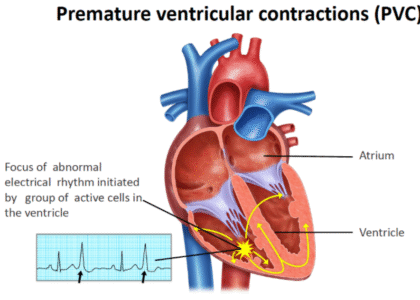
- Premature ventricular contractions (PVCs)
These early beats interrupt the normal rhythm and are often followed by a stronger beat, which people perceive as a “skip” or “thump.”
Common Causes and Triggers
Palpitations may be related to heart or non-heart conditions.
- Emotional stress, anxiety, or panic
- Caffeine, energy drinks, alcohol, nicotine
- Dehydration or electrolyte imbalance
- Fever, infection, or inflammation
- Thyroid disorders
- Certain medications or supplements
- Congenital or acquired heart disease
Symptoms That May Accompany Palpitations
Palpitations can occur alone or with other symptoms.
- Racing, fluttering, pounding, or skipped beats
- Chest discomfort
- Shortness of breath
- Lightheadedness or dizziness
- Fatigue
- Fainting or near-fainting (more concerning)
How Are Palpitations Diagnosed?
Diagnosis focuses on identifying the rhythm and underlying cause.
- Detailed history: Onset, triggers, duration, frequency, and associated symptoms
- Physical examination
- Electrocardiogram (ECG): Records the heart rhythm at a single point in time
- Ambulatory monitors: Holter or event monitors capture intermittent symptoms
- Echocardiogram: Evaluates heart structure and function
- Blood tests: Assess thyroid function, anemia, and electrolytes
How Are Palpitations Treated?
Treatment depends on the cause, the type of rhythm, and the severity of symptoms.
- Reassurance and observation: For benign rhythms
- Lifestyle modification: Reducing stimulants, improving hydration, sleep, and stress management
- Medications: To control heart rate or rhythm
- Catheter ablation: Targets abnormal electrical pathways causing certain arrhythmias
- Pacemaker implantation: For clinically significant slow heart rhythms
How Can Palpitations Be Prevented?
Many palpitations can be reduced with healthy habits.
- Maintain adequate hydration
- Limit caffeine, alcohol, and stimulant use
- Avoid nicotine
- Practice stress-reduction techniques
- Maintain regular sleep and exercise routines
- Follow prescribed medication plans
When Should You Seek Medical Care?
Palpitations warrant medical evaluation if they:
- Are new, persistent, or worsening
- Occur with chest pain, shortness of breath, dizziness, or fainting
- Happens during physical activity
- Occur in individuals with known heart disease
- Are associated with very fast or very slow heart rates
Emergency care is needed if palpitations are accompanied by fainting, severe chest pain, or difficulty breathing.
Key Takeaway
Palpitations are common and often benign, but they can sometimes signal abnormal heart rhythms or underlying medical conditions. Understanding the pathophysiology, triggers, and symptoms helps guide diagnosis and treatment. Proper evaluation provides reassurance, identifies serious conditions early, and supports long-term heart health.
Are you interested in a more natural approach to your heart care and evaluation? Contact us to schedule your consult. Call 406-272-2376 or schedule online.