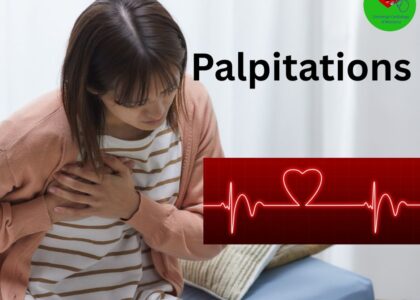
Heart palpitations can be frightening, especially when they seem to come out of nowhere. One of the most common causes of palpitations is a condition called premature ventricular contractions, or PVCs. This in‑depth guide explains what PVCs are, why they happen, how they are diagnosed and treated, and what you can do to reduce them—using clear, easy‑to‑understand language.
Table of Contents
What Are Premature Ventricular Contractions (PVCs)?
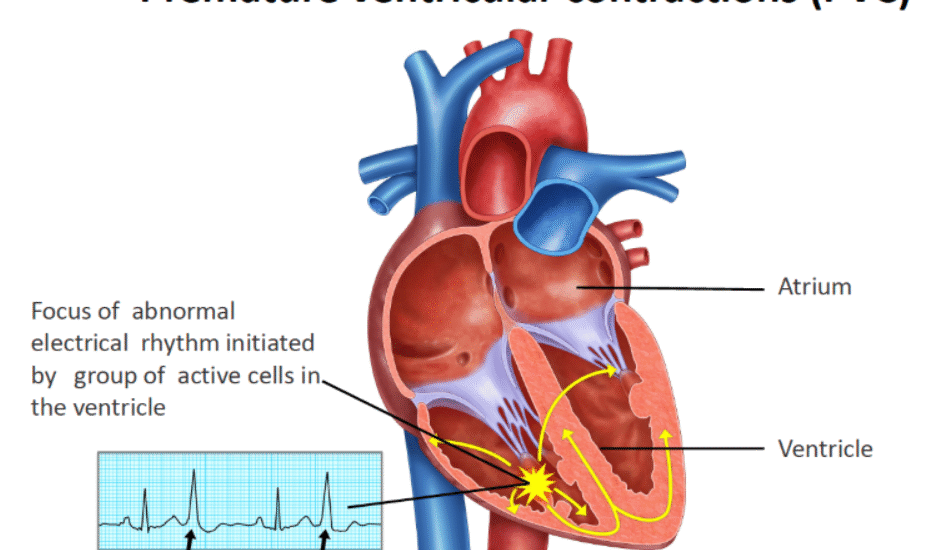
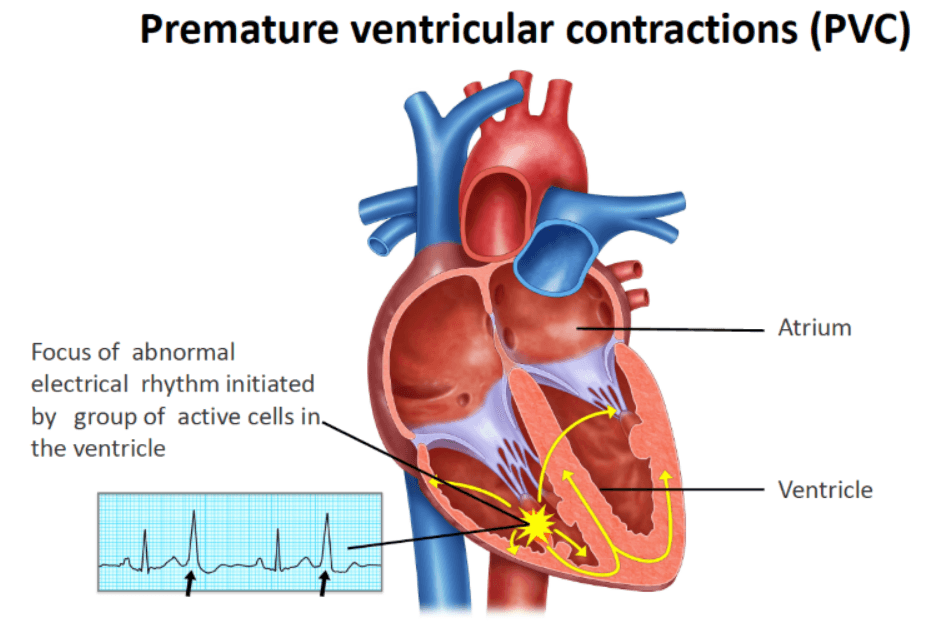
A premature ventricular contraction is an extra heartbeat that starts in the ventricles, the lower pumping chambers of the heart. Normally, the heartbeat begins in the heart’s natural pacemaker (the sinus node) and travels in an organized pathway. A PVC occurs when an electrical signal starts early from the ventricles instead.
Because the beat comes too soon, the heart may not have time to fill completely with blood. This is why people often notice a pause followed by a stronger beat.
Common descriptions include:
- A skipped heartbeat
- A flutter or flip‑flop sensation
- A sudden pounding or thump in the chest
PVCs can happen once in a while or many times a day.
How Common Are PVCs?
PVCs are very common. Many people have them at some point in their lives, often without realizing it. They can be found in:
- Healthy children and adults
- Athletes
- People with no known heart disease
In many cases, PVCs are discovered incidentally on a heart monitor done for another reason.
Pathophysiology: Why Does the Heart Produce PVCs?
The heart beats because of a finely balanced electrical system. PVCs occur when this system becomes temporarily disrupted.
Key mechanisms include:
- Increased irritability of heart cells: Ventricular cells may fire on their own instead of waiting for the normal signal
- Triggered electrical activity: Changes in calcium movement within heart cells can lead to extra beats
- Autonomic nervous system imbalance: Increased adrenaline or reduced vagal tone can promote ectopic beats
- Abnormal electrical pathways: Scar tissue or subtle changes in heart muscle can allow abnormal signals to circulate
These mechanisms explain why PVCs often appear during stress, illness, dehydration, or stimulant use.
Who Is at Risk for PVCs?
PVCs can occur in anyone, but they are more frequently seen in:
- Adults over age 40
- Individuals with congenital or acquired heart disease
- People with high physical or emotional stress
- Endurance athletes
- Individuals recovering from acute illness
Importantly, having PVCs does not automatically mean there is a serious heart problem.
Common Risk Factors and Triggers
Many PVCs are triggered by everyday factors, including:
- Caffeine (coffee, tea, energy drinks, pre‑workout supplements)
- Alcohol
- Nicotine (smoking or vaping)
- Stress and anxiety
- Poor sleep or fatigue
- Dehydration
- Electrolyte imbalances (low potassium or magnesium)
- Over‑the‑counter cold or allergy medications
Identifying and reducing triggers can significantly decrease symptoms.
PVCs and Recent Viral Infections
Recent viral illnesses—such as the common cold, influenza, or COVID‑19—are a well‑recognized cause of new or worsening PVCs.
During and after viral infections, PVCs may occur due to:
1. Inflammation
The immune response releases inflammatory chemicals that can temporarily irritate the heart muscle and disrupt normal electrical signaling.
2. Autonomic Nervous System Changes
Fever, pain, dehydration, and stress increase adrenaline levels, which can promote extra heartbeats.
3. Direct Heart Muscle Effects
Some viruses can briefly affect heart cells, even without severe myocarditis or long‑term damage.
4. Electrolyte Disturbances
Vomiting, diarrhea, poor appetite, or sweating can lower potassium and magnesium, making PVCs more likely.
For most people, post‑viral PVCs improve gradually as the body heals, though symptoms can linger for weeks.
How Are PVCs Diagnosed?
Diagnosis focuses on confirming PVCs and ensuring the heart is structurally normal.
Common tests include:
- Electrocardiogram (ECG/EKG): Identifies PVCs and heart rhythm patterns
- Holter monitor: Records every heartbeat over 24–48 hours
- Event or patch monitor: Captures intermittent symptoms over days to weeks
- Echocardiogram: Ultrasound that evaluates heart size, pumping strength, and valve function
These tests help determine PVC burden (how frequently they occur) and guide treatment decisions.
Are PVCs Dangerous?
In people with a normal heart, occasional PVCs are usually benign. However, frequent PVCs over long periods can sometimes:
- Worsen symptoms such as fatigue or dizziness
- Lead to weakening of the heart muscle (PVC‑induced cardiomyopathy)
This is why monitoring and follow‑up are important when PVCs are frequent or persistent.
How Are PVCs Treated?
Treatment depends on symptoms, frequency, and heart health.
Observation and Reassurance
Many people need no treatment beyond reassurance and education.
Lifestyle Modifications
- Reduce caffeine and alcohol
- Avoid nicotine
- Improve sleep
- Manage stress
- Stay hydrated and maintain electrolytes
Medications
Beta blockers are commonly used to reduce symptoms and PVC frequency.
Catheter Ablation
For patients with very frequent or symptomatic PVCs that do not respond to medication, ablation can safely target and eliminate the source of PVCs.
Can PVCs Be Prevented?
While not all PVCs can be prevented, many can be minimized by:
- Practicing good sleep hygiene
- Staying well hydrated, especially during illness
- Allowing adequate recovery after viral infections
- Limiting stimulants
- Maintaining overall cardiovascular health
When Should You Seek Further Evaluation?
PVCs should be evaluated if they are:
- New and persistent
- Increasing in frequency
- Associated with chest pain, fainting, or shortness of breath
- Occurring in someone with known heart disease
- Not improving after a viral illness
The Bottom Line
Premature ventricular contractions are extremely common and often harmless, even though they can feel unsettling. They may be triggered by stress, stimulants, electrolyte changes, or recent viral infections such as colds, flu, or COVID‑19. With proper evaluation, reassurance, and healthy habits, most people with PVCs do very well and can safely return to normal activities.
Contact us for an evaluation. Call 406-272-2376 or schedule online.