
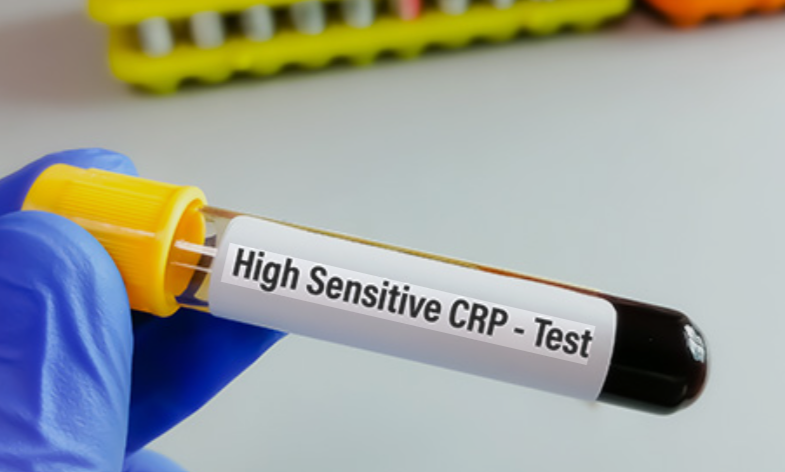
If you recently had blood work and were told your hs-CRP is elevated, you may be wondering what that means for your health — especially your heart.
The good news is that hs-CRP is not a diagnosis. It is a risk marker. It helps us better understand inflammation in your body and, more importantly, your future cardiovascular risk.
Let’s walk through what this test measures, why it matters, and when you should consider further evaluation.
Table of Contents
What Is hs-CRP?
hs-CRP stands for high-sensitivity C-reactive protein.
C-reactive protein is made by your liver. Your body releases it when there is inflammation. Inflammation is part of your immune system’s natural response to stress, infection, injury, or illness.
The “high-sensitivity” version of this test detects very small amounts of inflammation — even when you feel completely well.
This is important because heart disease is now understood to be partly an inflammatory condition. Plaque buildup in the arteries is not just cholesterol — it also involves inflammation inside the blood vessel walls.
What Is a Normal Level?
In general:
– Less than 1 mg/L → Low cardiovascular risk
– 1–3 mg/L → Moderate cardiovascular risk
– Greater than 3 mg/L → Higher cardiovascular risk
– Greater than 10 mg/L → Often suggests infection or acute illness
If your number is above 10 mg/L, it usually reflects something temporary like an infection, recent surgery, or injury. In those cases, we often repeat the test after recovery.
If your number is persistently above 3 mg/L, that suggests chronic low-grade inflammation and higher long-term cardiovascular risk.
Why Does Inflammation Matter for the Heart?
Inflammation contributes to:
– Plaque formation in arteries
– Plaque instability (which can trigger heart attacks)
– Stroke risk
– Heart failure progression
You can have normal cholesterol and still have elevated inflammation. That is why hs-CRP can be helpful in identifying people who may benefit from more aggressive prevention strategies.
Common Causes of High Levels
An elevated hs-CRP does not tell us exactly what is wrong. It simply tells us inflammation is present somewhere in the body. Common causes include:
Excess Weight
Fat tissue produces inflammatory chemicals. Being overweight or obese is one of the most common reasons for mildly elevated hs-CRP.
Smoking
Smoking significantly increases inflammation throughout the body and damages blood vessels.
Lack of Physical Activity
Regular exercise reduces inflammation. A sedentary lifestyle increases it.
Diet
Diets high in processed foods, added sugars, red meat, and refined carbohydrates promote chronic inflammation. Diets rich in vegetables, fruits, healthy fats, and whole grains lower it.
Diabetes and Insulin Resistance
Metabolic conditions are closely linked to chronic low-grade inflammation.
High Blood Pressure
Hypertension contributes to vessel wall stress and inflammatory changes.
Established Cardiovascular Disease
If someone already has coronary artery disease, prior heart attack, or heart failure, hs-CRP may be elevated as part of the disease process.
Autoimmune or Inflammatory Disorders
Conditions such as rheumatoid arthritis, lupus, or inflammatory bowel disease can raise hs-CRP due to immune system activation.
Chronic Kidney Disease
Kidney dysfunction is also associated with elevated inflammatory markers.
Acute Illness
If you recently had:
– A cold or flu
– COVID or another infection
– Surgery
– Trauma
your hs-CRP may temporarily rise.
Can hs-CRP Be Lowered?
Yes — and often significantly.
Lifestyle changes are extremely powerful:
– Losing excess weight
– Exercising at least 150 minutes per week
– Eating a Mediterranean-style diet
– Quitting smoking
– Managing blood sugar
– Controlling blood pressure
– Improving sleep
In some patients, medications such as statins lower both cholesterol and inflammation.
What is important to understand is that hs-CRP is not treated directly. We treat the underlying cause of inflammation.
When Should You Be Evaluated?
An elevated hs-CRP should not be ignored — especially if you also have other cardiovascular risk factors.
You should consider a comprehensive cardiovascular evaluation if you have:
– hs-CRP greater than 3 mg/L
– A family history of heart disease
– High cholesterol
– High blood pressure
– Diabetes
– Smoking history
– Chest discomfort
– Shortness of breath
– Fatigue with exertion
Even if you feel well, inflammation can be a silent risk factor. Prevention is far more effective than waiting for symptoms to develop.
A thorough evaluation may include:
– Detailed risk assessment
– Lipid evaluation (including advanced testing if needed)
– Blood pressure review
– Diabetes screening
– Possibly cardiac imaging or stress testing depending on risk
The Bottom Line
A high hs-CRP means your body has inflammation.
Most commonly, it reflects lifestyle and metabolic factors. In some cases, it signals increased cardiovascular risk that deserves attention.
The key message is this:
An elevated hs-CRP is an opportunity — an opportunity to identify risk early and take action before a heart attack or stroke ever occurs.
If you have an elevated hs-CRP and would like a personalized evaluation of your cardiovascular risk, I strongly encourage you to schedule a consultation.
Call our cardiology office to schedule a comprehensive cardiovascular evaluation.
We will review your laboratory results, assess your overall risk profile, and develop a prevention plan tailored specifically to you.
Taking action early can significantly reduce your long-term risk and protect your heart for years to come.
Check our YouTube Channel for more informational videos.