Table of Contents
What Is Homocysteine?
Homocysteine is an amino acid found in the blood that is produced during the normal breakdown of protein. Specifically, it comes from methionine, an essential amino acid obtained through food. The body normally keeps homocysteine levels low by converting it into other substances with the help of folate, vitamin B12, and vitamin B6.
When this process does not work efficiently, homocysteine can build up in the bloodstream.
What Causes High Levels?
High homocysteine, also called hyperhomocysteinemia, can occur for several reasons:
- Low levels of folate, vitamin B12, or vitamin B6
- Genetic conditions affecting homocysteine metabolism
- Kidney disease
- Certain medications
- Poor dietary intake of B vitamins
A blood test is used to measure homocysteine levels and assess cardiovascular risk.
How Does High Level Affect the Heart?
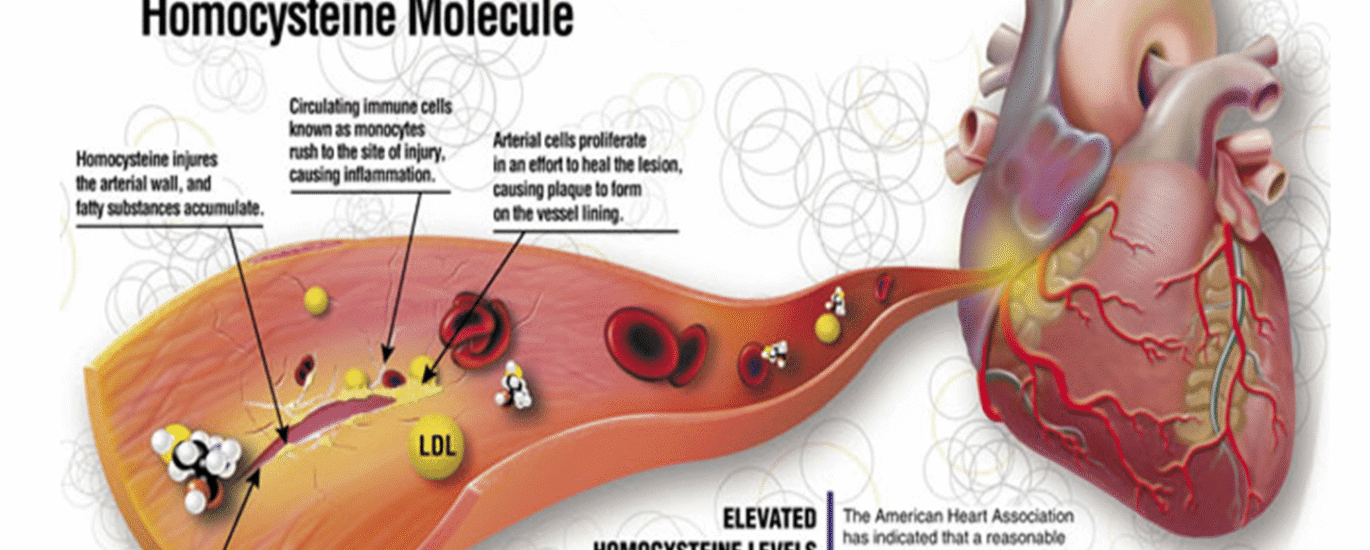
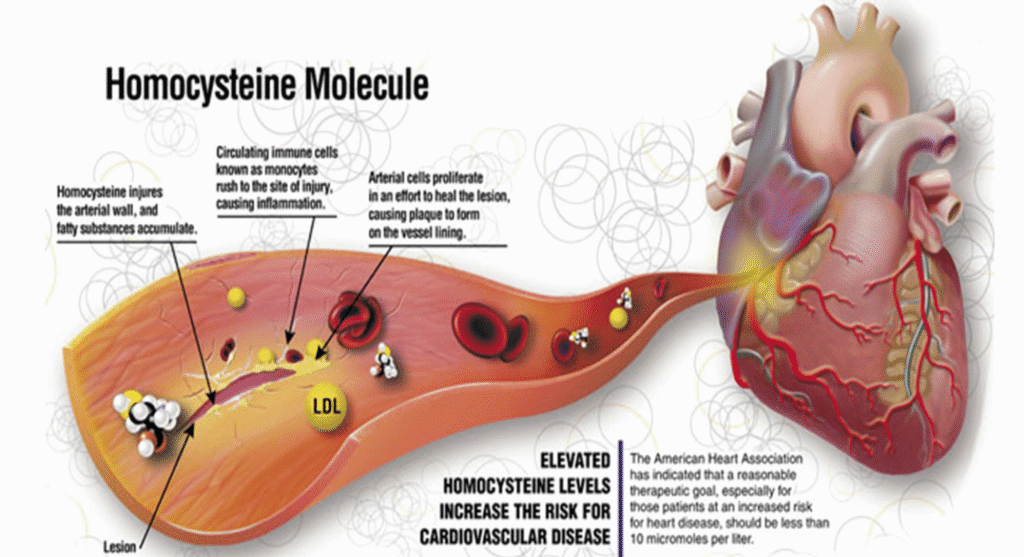
Elevated levels are associated with an increased risk of heart disease, stroke, and vascular disease. High homocysteine can negatively impact the cardiovascular system by:
- Damaging the inner lining of blood vessels
- Promoting plaque buildup (atherosclerosis)
- Increasing inflammation and oxidative stress
- Raising the risk of abnormal blood clot formation
Over time, these effects can contribute to coronary artery disease and other serious heart conditions. In children and young adults, very high levels—often related to genetic disorders—may lead to early-onset vascular disease.
Treatment for hyperhomocysteinemia
Treatment aims to lower homocysteine levels and reduce overall cardiovascular risk.
Common treatment approaches include:
- Vitamin supplementation: Folate, vitamin B12, and vitamin B6 are the mainstays of treatment
- Dietary changes: Increasing intake of leafy greens, beans, whole grains, and fortified foods
- Addressing underlying conditions: Managing kidney disease, malabsorption, or thyroid disorders when present
- Heart-healthy lifestyle: Regular exercise, smoking avoidance, and balanced nutrition
Lowering homocysteine improves lab values and supports vascular health, particularly when combined with comprehensive cardiovascular risk management.
Why IT Matters
Homocysteine is an important cardiovascular risk marker. While it is not the sole cause of heart disease, elevated levels can signal increased vascular stress and identify patients who may benefit from targeted nutritional therapy.
Early detection and treatment provide an opportunity to support long-term heart health.
Contact us for a consulation at 406-272-2376 or schedule online.