
If your child has been diagnosed with congenital heart disease — or a concern was raised on ultrasound — you likely have questions about what this means now and in the future.
This guide explains congenital heart disease in children in clear, practical terms to help you understand diagnosis, symptoms, evaluation, and long‑term outlook.
If you are looking for evaluation or ongoing care for your child, visit our Congenital Heart Disease Care in Montana & Wyoming page to learn how we provide direct-access pediatric cardiology with extended visits and same-day testing.
Many families prefer scheduling directly without referral delays.
Call 406‑272‑2376 or schedule online.

Table of Contents
When Should You Schedule a Pediatric Cardiology Evaluation?
You should consider evaluation if your child has:
- A newly detected heart murmur
- Fainting or unexplained syncope
- Recurrent palpitations
- Abnormal ECG
- Family history of congenital heart disease
- Prenatal concern on ultrasound
For direct-access evaluation, visit our Congenital Heart Disease Care page.
What Is Congenital Heart Disease?
Congenital heart disease (CHD) in children refers to structural differences in the heart that develop before birth.
These conditions range from small defects that never require treatment to complex heart disease requiring surgery in infancy.
Today, most children with congenital heart disease survive into adulthood. Because of this, CHD is considered a lifelong condition that requires thoughtful follow‑up over time.
How Common Is Congenital Heart Disease?
Congenital heart disease is the most common birth defect, affecting approximately 1 in 100 children.
Advances in:
- Prenatal detection
- Surgical techniques
- Intensive care
- Long-term monitoring
have dramatically improved outcomes.
The focus has shifted from survival alone to long-term heart health, development, and quality of life.
Types of Congenital Heart Defects
Simple Defects
Often require monitoring only.
- Small atrial septal defect (ASD)
- Small ventricular septal defect (VSD)
- Mild pulmonary valve stenosis
- Bicuspid aortic valve
Moderate Complexity
May require intervention or lifelong follow‑up.
- Larger ASD or VSD
- Coarctation of the aorta
- Atrioventricular septal defect
- Repaired Tetralogy of Fallot
Complex Congenital Heart Disease
Often diagnosed prenatally or in infancy.
- Tetralogy of Fallot
- Transposition of the great arteries
- Single ventricle heart disease
- Hypoplastic left heart syndrome
- Fontan circulation
Symptoms by Age
Newborns
- Poor feeding
- Cyanosis
- Rapid breathing
- Sweating with feeds
Infants
- Poor weight gain
- Fatigue
- Recurrent respiratory infections
School-Age Children
- Exercise intolerance
- Dizziness
- Heart murmur
- Palpitations
Teenagers
- Syncope
- Racing heartbeat
- Abnormal sports screening ECG
Some children have no symptoms and are diagnosed during routine exams.
What Causes Congenital Heart Disease?
In most cases, congenital heart disease develops during early fetal heart formation. The cause is often multifactorial and may include:
- Genetic factors
- Chromosomal conditions
- Environmental influences
- Maternal health conditions
In many children, no single cause is identified.
Is Congenital Heart Disease Hereditary?
Some forms of congenital heart disease have a genetic component.
If there is a family history of congenital heart disease, siblings may benefit from screening. Genetic counseling may be recommended in selected cases.
Life Expectancy With Congenital Heart Disease
Due to advances in surgery and long-term care, most children with congenital heart disease now survive into adulthood.
Long-term monitoring remains important because heart function, valves, and rhythm can change over time.
Prenatal Diagnosis & Fetal Echocardiogram
Many cases are identified before birth through fetal echocardiography.
A prenatal cardiac evaluation allows:
- Early diagnosis
- Coordination with OB and maternal-fetal medicine
- Delivery planning
- Immediate newborn cardiac care planning
For families seeking prenatal cardiology consultation in Billings, visit our Congenital Heart Disease Care page for details.
How Is Congenital Heart Disease Evaluated?
Evaluation may include:
- Echocardiogram
- Electrocardiogram (ECG)
- Holter monitor
- 30‑day event monitor
- Exercise stress testing
- Advanced imaging when indicated
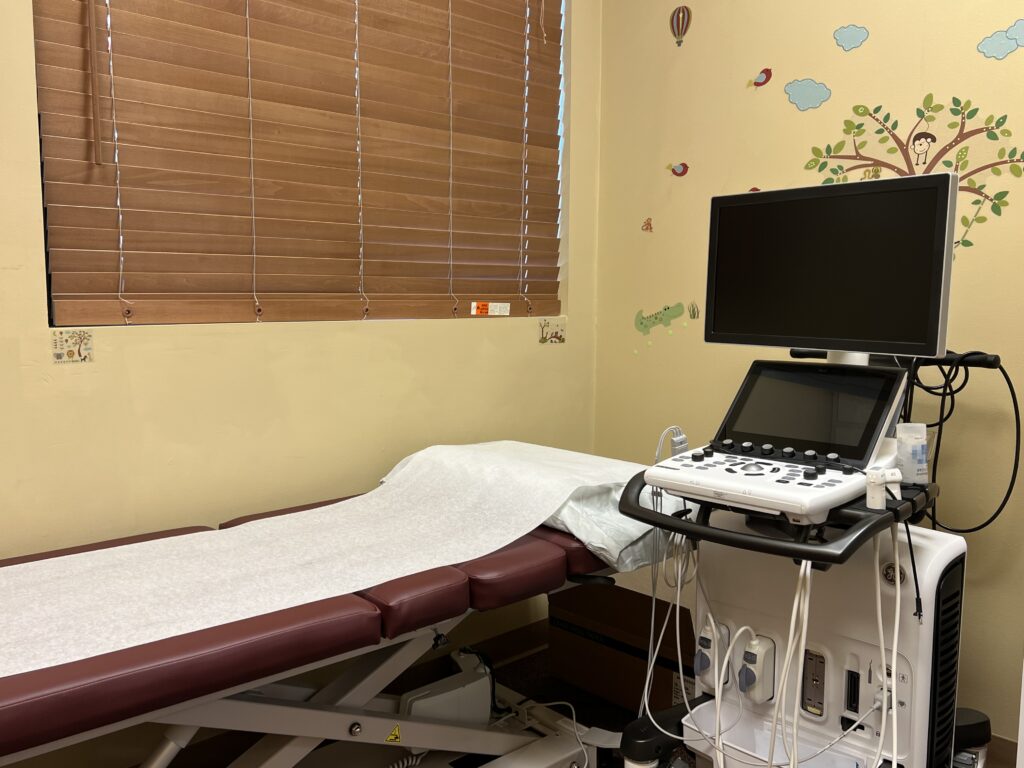
Some rhythm disorders, such as SVT or WPW, require extended monitoring because symptoms may be intermittent.
At our practice, most testing can be coordinated during the same extended visit to reduce delays and additional appointments.
If you are seeking comprehensive pediatric heart evaluation in Montana or Wyoming, learn more about our approach on our Congenital Heart Disease Care page.
Arrhythmias in Children
Some children have normal heart structure but electrical rhythm disorders, including:
- Supraventricular tachycardia (SVT)
- Wolff‑Parkinson‑White (WPW)
- Long QT syndrome
- Heart block
These conditions may present with palpitations, syncope, or abnormal screening ECGs.
Long-Term Outlook
Most children with congenital heart disease:
- Live active lives
- Participate in sports
- Attend college
- Build families
However, lifelong follow‑up is important because:
- Valve disease may progress
- Arrhythmias may develop
- Ventricular function can change
- Pregnancy requires counseling
Continuity of care from childhood through adolescence is essential.
Ready for Answers?
If your child has:
- A congenital heart defect
- A heart murmur
- An arrhythmia such as SVT or WPW
- Fainting episodes
- A prenatal diagnosis
Timely evaluation provides clarity and reassurance.
Learn more about our approach to Congenital Heart Disease Care in Montana & Wyoming, including prenatal consultation, heart murmur evaluation, arrhythmia care, and lifelong follow‑up.
Call 406‑272‑2376 to schedule directly.
1429 38th St W, Ste 2
Billings, MT 59102
Check our YouTube Channel for more informational videos and our blog for more heart topics.